Why Certain Fabrics Calm Your Nervous System (and Others Don't)
You've had the experience: a shirt that looked fine on the hanger but, by the second hour, you were aware of every square inch touching your skin. And you've had the opposite: a worn-in sweatshirt that seemed to soften everything else, too. The difference isn't in your head. Fabric produces a continuous stream of sensory input that your nervous system processes — and some fabrics are inherently less demanding to process than others.
Fabrics calm your nervous system when they produce predictable, even sensory input that your brain can filter into the background. Fabrics that irritate the nervous system do the opposite: they create variable, uneven, or sticky tactile input that keeps demanding attention. What distinguishes calming from irritating fabric isn't natural vs. synthetic. It's a combination of hand feel, surface texture, weight, breathability, and how the fabric moves against skin. Once you know what to feel for, you can tell the difference on the first touch.
The nervous system dressing guide lays out the broader framework — what nervous system dressing is and how it applies across different states.
The Texture Spectrum: Smooth vs. Grippy
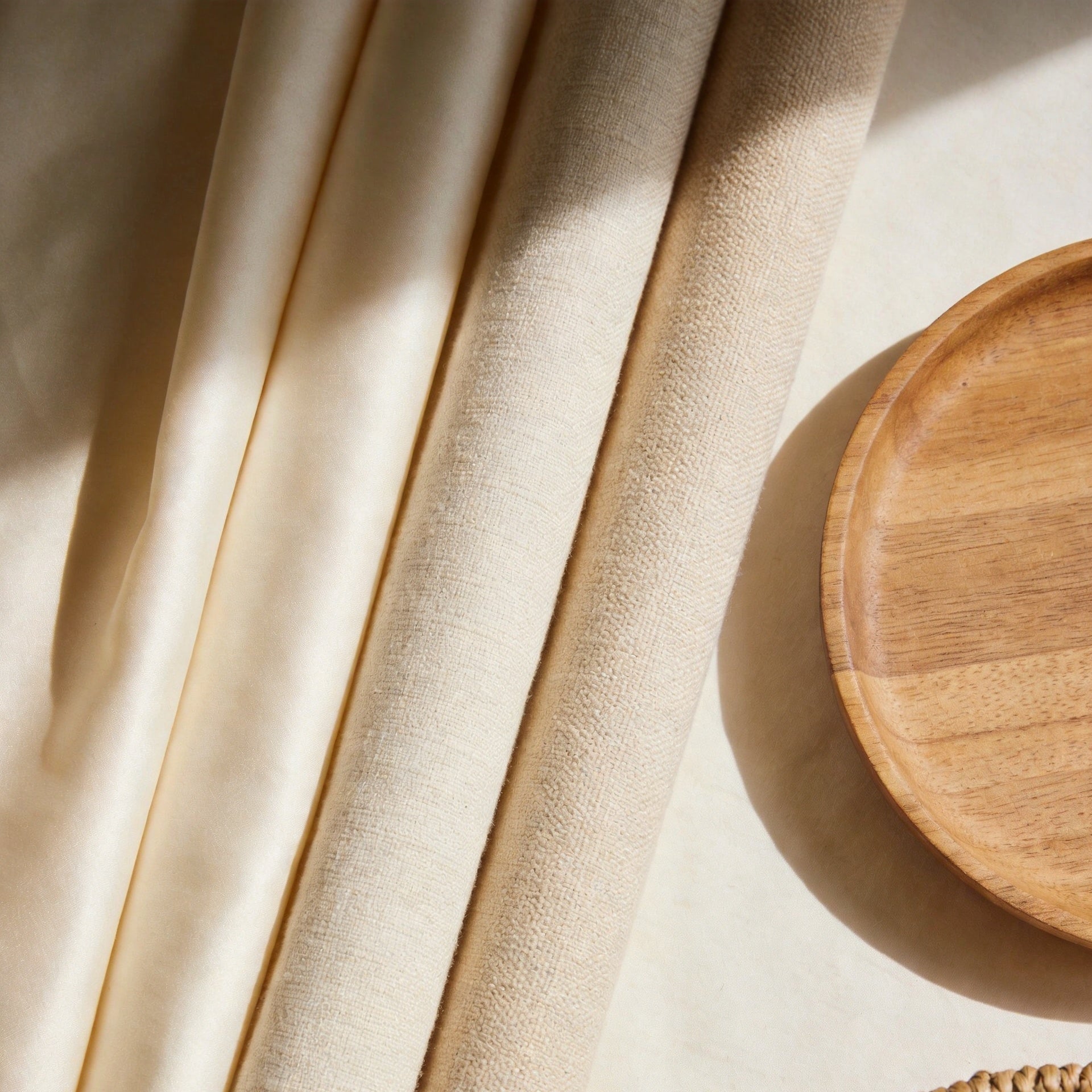
The single most important fabric property for nervous system comfort is how the fabric surface interacts with your skin's tactile receptors. Smooth fabrics that glide across the skin produce minimal, predictable sensory input. Fabrics with texture, especially uneven or "grippy" texture, produce variable input that your brain registers more actively.
Smooth (low sensory input): Brushed cotton, fine-gauge knits, well-finished nylon-spandex, silk or silky rayon. These fabrics have a consistent surface that slides rather than catches. When you run your hand across them, there's no friction variation. Your skin's mechanoreceptors register consistent contact, and your brain filters it out.
Grippy (higher sensory input): Terry cloth, bouclé, rough linen, unbrushed canvas, and some loosely knit wool blends. These have irregular surface textures that create micro-variations in pressure and friction as they move against skin. Each micro-variation is a separate sensory event. On days when your nervous system is calm, you won't notice. On days when it's activated, you'll feel every one.
The practical takeaway: if you can feel the texture of a fabric by running your finger across it while it's lying flat, it may produce noticeable sensory input when worn against skin for extended periods. Sensory thresholds shift from day to day, and sensory-friendly clothing for women walks through the physiology behind that shift.
Weight and Pressure: Why 200 GSM Feels Different Than 100 GSM
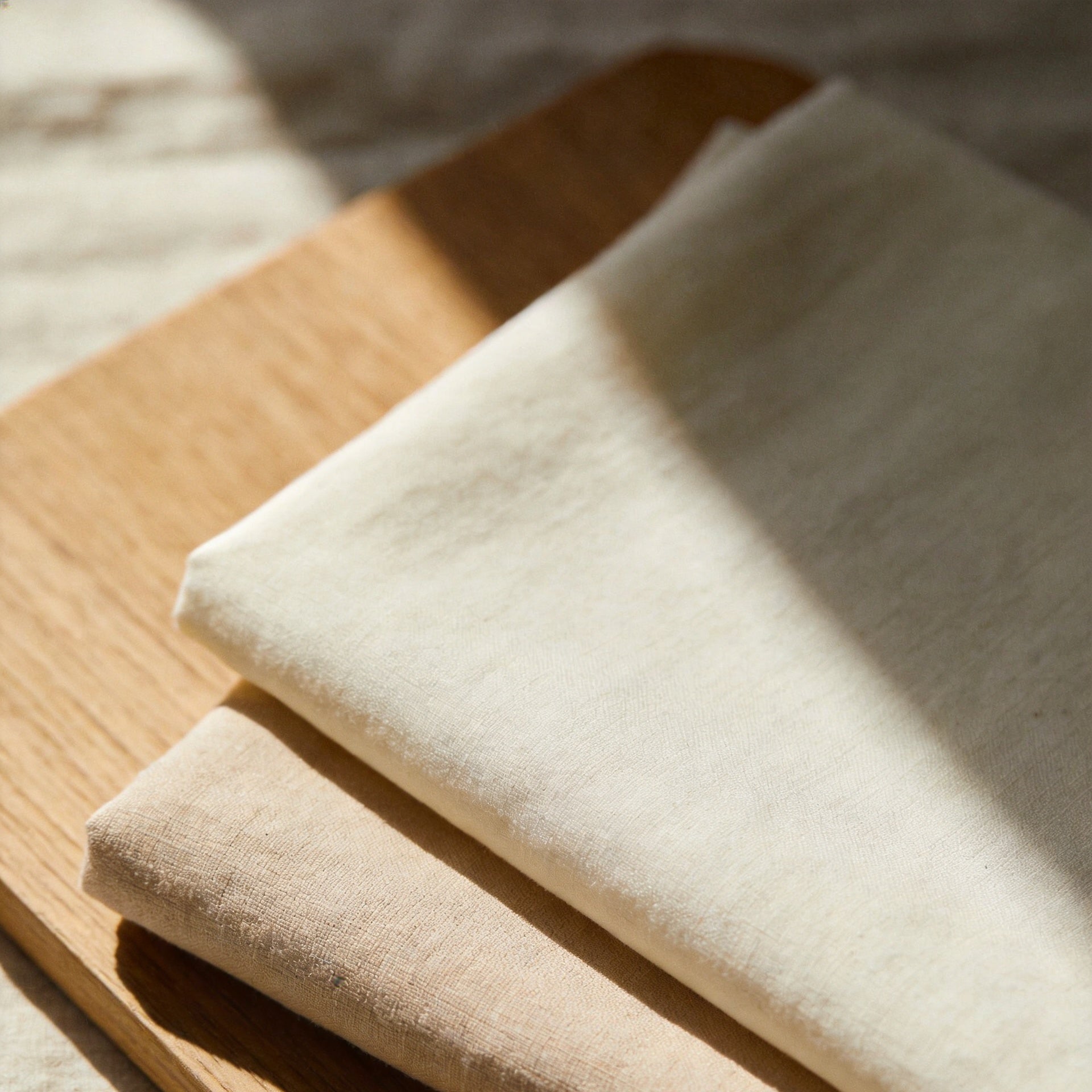
Fabric weight, measured in grams per square meter (GSM), directly affects how clothing registers to the nervous system. The relationship is not linear, and it's not about heavier being better. It's about appropriate weight for the type of sensory input you want.
Lightweight fabrics (under 150 GSM): These produce very light touch, which paradoxically can be more noticeable than medium-weight fabric, because the featherlight contact activates different mechanoreceptors: the ones that detect light touch rather than sustained pressure. Some people find this soothing; others find light, fluttery fabric more distracting than something with a bit of weight.
Mid-weight fabrics (180–260 GSM): This range produces a consistent, moderate pressure that most nervous systems filter easily. It's heavy enough to feel "substantial" but not heavy enough to produce noticeable weight on the body. Most well-designed loungewear, including ribbed tank tops in this weight range, sits in this sweet spot.
Heavyweight fabrics (over 280 GSM): Heavyweight knits produce deeper pressure stimulation, which some people find calming (similar to the mechanism behind weighted blankets) and others find constricting. The effect is individual, but the relevant factor is that heavyweight fabric produces more proprioceptive input, meaning your body is more aware of wearing it.
The easiest way to tell: hold the fabric in both hands and notice whether you can feel its weight without thinking about it. If the weight itself registers, it's producing noticeable sensory input.
Breathability and Thermal Regulation
This is where fabric choice has the most direct impact on nervous system state, because temperature regulation is managed by the same autonomic nervous system that handles stress responses.
When you wear a fabric that traps heat, it creates a microclimate between the fabric and your skin that's warmer than the surrounding air. Your body has to work to regulate. This can trigger the same thermoregulatory response as mild heat stress: slight sweating, increased heart rate, and a feeling of being "trapped" in the fabric. The opposite problem, fabric that feels cold against the skin, can trigger a startle-like response in sensitive areas.
The fabrics that minimize thermal disruption have two properties: - Moisture movement: The fabric should move moisture away from the skin rather than trapping it against the surface. Knit structures do this more effectively than tightly woven ones. - Temperature neutral touch: The fabric should feel approximately room temperature when you touch it, not noticeably cool or warm.
Nylon-spandex blends in the 200–250 GSM range, like those used in high-waist stretch leggings, achieve this balance well: the smooth knit structure moves with the body without trapping heat, and the moderate weight means it doesn't feel cold on initial contact.
Construction Matters as Much as Fiber
A well-constructed garment in a mid-range synthetic can be more calming for the nervous system than a poorly constructed garment in premium natural fiber. The difference comes down to:
-
Seam placement: Flat seams or covered seams reduce friction points. A seam positioned away from high-motion areas (inner thigh, underarm, back of the neck) will be less noticeable than one placed directly at a friction point.
-
Waistband design: A wide, soft waistband that distributes pressure evenly across the torso (2+ inches of flat elastic inside a fabric channel) produces less variable sensory input than narrow elastic that rolls, twists, or presses a single line into the skin.
-
Tag construction: Tear-away or printed tags eliminate the single most common source of fabric-related sensory irritation — the small piece of stiff material at the back of the neck or side seam that scratches against skin throughout the day.
-
Stretch recovery: Fabric that retains its shape after stretching (four-way stretch with good recovery) produces more consistent feel over time. Fabric that bags out or sags creates variable pressure as it shifts position.
If you're curious how different fiber types — nylon, cotton, modal, bamboo — perform on these construction factors, the fabric guide compares them with specific measurements.
Signs a Fabric Is Adding Sensory Load
You can't always tell from the label whether a fabric will feel calming or demanding. But you can tell within the first few minutes of wearing it. Here are the signals:
| This feeling | Means | What to do |
|---|---|---|
| You notice the fabric on your skin without moving | The fabric is producing sustained noticeable tactile input | Look for smoother, more consistent surface texture next time |
| You adjust or resettle a waistband more than once | The pressure distribution is uneven | Switch to wide, flat waistbands or high-rise cuts |
| You feel warm within minutes of putting it on | The fabric is trapping heat against skin | Try a more open knit structure or lower GSM |
| A tag bothers you after the first minute | The tag construction is adding sensory load | Remove the tag, or look for tagless labels going forward |
| The fabric feels different on different parts of your body | Inconsistent surface or variable fit | Look for more consistent fabric hand feel and even fit |
The same audit works on the inputs that aren't tactile. A room either adds to the load or takes some off, and scent moves fastest of anything in it. At the end of a day that has already asked a lot of your skin, a soft, round scent in the room is something you can quiet down without changing anything you're wearing.
FAQ
Are natural fibers always better for sensory comfort?
No. Fiber content matters less than how the fabric is constructed and finished. A well-finished nylon-spandex knit in 220 GSM can feel significantly smoother and more consistent against skin than a rough cotton jersey or an unfinished linen. The fiber origin (natural vs. synthetic) tells you almost nothing about how a fabric will feel on the skin. What matters is the hand feel, the surface texture, and the knit construction.
What is the most calming fabric to wear?
There is no single answer because individual sensory preference varies. But the most commonly reported "calming" fabric attributes across sensory-friendly discussions are: smooth surface texture, mid-weight (180–250 GSM), matte rather than shiny finish, and good stretch recovery that maintains consistent feel throughout the day. Brushed cotton, fine-gauge modal, and smooth nylon-spandex knits all appear frequently in these conversations.
Why do some fabrics feel itchy even though they're soft?
"Itchy" isn't always about scratchiness. Sometimes it's about micro-movement: fabric that shifts against the skin in small increments — rather than gliding smoothly — triggers repeated activation of mechanoreceptors. What registers as "itchy" can be the cumulative effect of hundreds of tiny friction events per hour. This is more common with loosely woven fabrics and fabric with a fuzzy or brushed surface that catches on dry skin.
Can a fabric feel calming one day and irritating the next?
Yes. Your sensory threshold changes based on your nervous system state. On a regulated, calm day, your brain's sensory gating mechanism filters out background tactile input effectively. On a stressed, tired, or overstimulated day, that filtering is less efficient, and the same fabric that felt fine yesterday becomes noticeable today. The fabric didn't change. Your sensitivity did. The nervous system dressing guide has more on how this works.
What GSM should I look for in lounge pants for nervous system comfort?
For lounge pants specifically, a GSM range of 200–260 is generally the most predictable for sensory comfort. Below 200 GSM, the fabric can feel insubstantial and produce light-touch activation that some find distracting. Above 260 GSM, the fabric starts to have noticeable weight and may feel warm. In the 200–260 range, most wearers find the weight neutral — present enough to feel like clothing, not heavy enough to demand attention. The wide-leg lounge pants set is in this range.
What you've learned here about texture, weight, and construction is the foundation. When you're ready to put it into practice, the nervous system dressing guide helps you match outfits to your state, whether you're feeling regulated, activated, or overstimulated. For days when anxiety is the main thing you're dealing with, dressing for your nervous system applies these same fabric principles to that specific experience.
There's another dimension worth knowing about, too. Color and visual texture hit the same nervous system pathways as tactile texture. Soft colors, quiet textures explores which palettes feel regulating and how to build a wardrobe around them.
And if you want to go deeper on the physiology — the cortisol, thermal regulation, and sensory load mechanisms — how loungewear affects your stress levels has that covered.
For a deeper look at the receptor-level biology — how Meissner's corpuscles, Ruffini endings, and CT afferents each respond to different fabric properties — the skin science behind calming loungewear covers the full mechanism.