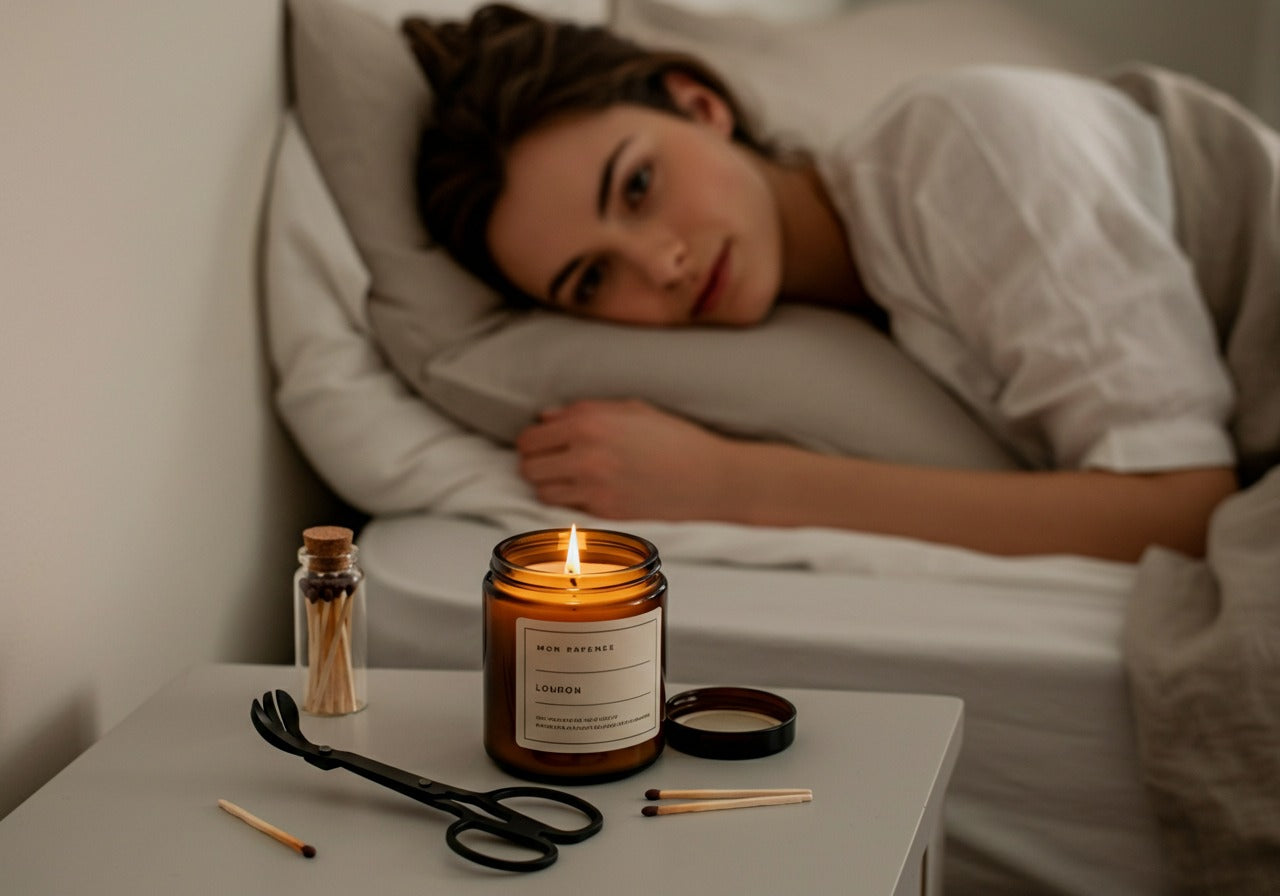
The Bath and Candle Ritual: The Science of Winding Down
You run the water hot, turn off the overhead light, and set a candle on the edge of the sink. Twenty minutes later your shoulders have dropped a half inch and your breathing has slowed without you trying. That shift is real, and it isn't just the warm water feeling nice. A bath and candle ritual works because heat, dim light, and scent each speak to your nervous system in a language it already understands. Here's what's actually happening, and how to build a version that reliably helps you let go at the end of the day.
The short answer: a warm bath nudges your core body temperature in a way that signals sleep, low candlelight tells your brain the day is ending, and scent travels a direct route to the part of your brain that decides whether you're safe. Stack the three and you give your body several reasons to relax at once.
Why a warm bath actually changes your body
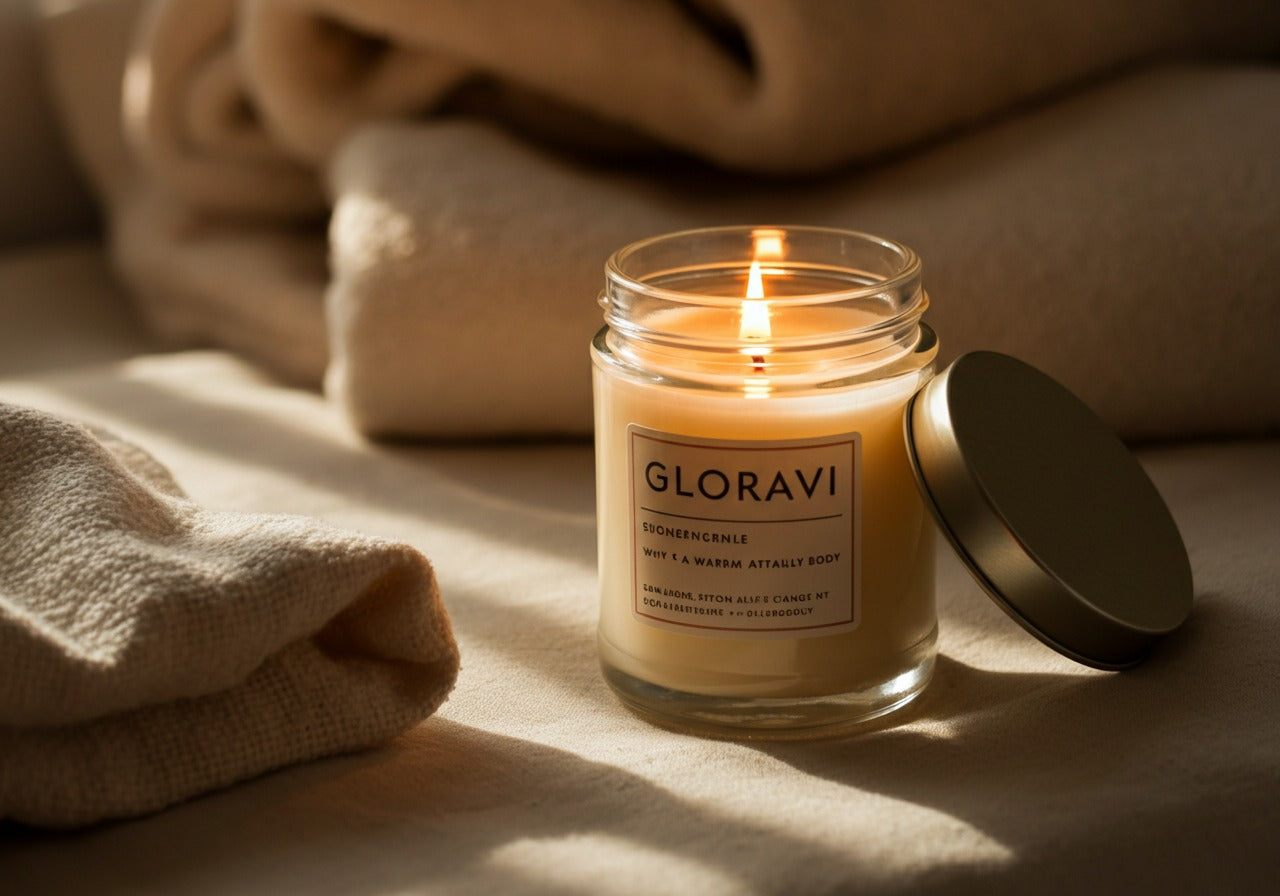
The most reliable part of this ritual is the simplest one: temperature.
When you sit in warm water, blood moves toward the surface of your skin and your hands and feet flush. After you get out, that widened blood flow lets heat escape, and your core temperature drops slightly over the next hour. Your body reads that drop as a sleep cue, because your internal temperature naturally falls in the evening as melatonin rises. A bath gives that dip a head start.
A 2019 systematic review in Sleep Medicine Reviews by Haghayegh and colleagues looked at this directly. Across studies, a warm bath or shower of about 104–108°F (40–42°C), taken one to two hours before bed, helped people fall asleep faster and reported better sleep quality. The timing matters more than people expect. The bath itself warms you up, but the falling temperature afterward is what carries you toward sleep, which is why an hour or so of buffer works better than climbing straight into bed wet and overheated.
So the warm water is doing physiological work. Muscle tension eases as tissue warms and blood flow improves, and the temperature swing afterward lines up with your body's own evening rhythm.
What the candlelight is doing
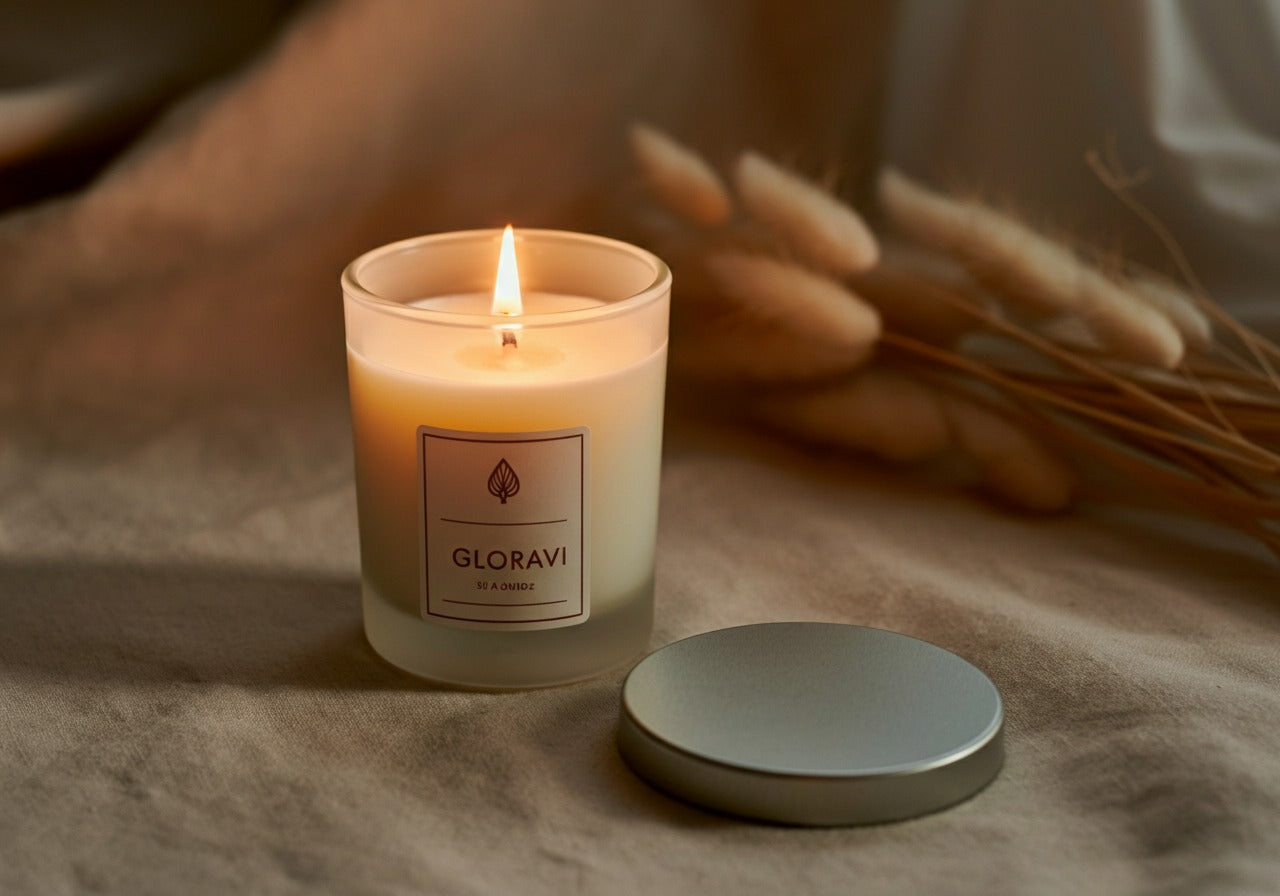
Switch off the bright bathroom light and the room changes character. That change registers in your brain.
Your circadian system tracks light through special cells in your retina that are most sensitive to bright, blue-toned light, the kind that pours out of ceiling fixtures and phone screens. Bright light in the evening tells your brain it's still daytime and holds melatonin back. A candle does the opposite. The flame is dim and warm-toned, closer to firelight than daylight, and it sits low in the room rather than overhead. Low, warm light is one of the gentlest signals you can give your body that the day is closing.
There's a behavioral layer too. Lighting a candle is a small, deliberate act with a clear start. You strike the match, the room softens, and some part of you understands the next stretch of time is set aside. Rituals with a clear beginning help the brain shift gears, which is part of why the same bath feels more restorative with a candle lit than under a bright bulb.
How scent reaches the part of your brain that decides you're safe
Smell is the only sense that skips the brain's usual switchboard. Sight, sound, and touch all route through the thalamus before they're processed. Scent doesn't. Odor molecules hit receptors high in your nose, and the signal travels through the olfactory bulb straight into the limbic system, the network that runs emotion and memory.
That direct line is why a smell can drop you into a feeling before you've named it. A warm, soft scent in a quiet room can read as safety to your nervous system, and safety is the precondition for your parasympathetic side, the rest-and-digest branch, to take over from the alert, keyed-up one. We go deeper into this pathway in how scent speaks to your nervous system, but the practical takeaway is simple: the candle isn't decoration here. It's part of the mechanism.
For a bath ritual, warmth-forward scents tend to work best. Notes that feel enveloping rather than bright, the kind you'd associate with being held or being home. A candle like Warmth, made with coconut-apricot and soy wax, leans into that register on purpose.
What about Epsom salt and magnesium?
Here's where most bath articles overpromise, and we'd rather be straight with you.
Epsom salt is magnesium sulfate, and magnesium does matter for muscle and nerve function. The popular claim is that soaking in an Epsom bath delivers magnesium through your skin to relax you. The evidence for that is thin. Skin is a good barrier, and well-controlled studies showing meaningful magnesium absorption from a bath are scarce. Some people swear by the soak, and that's worth something, but a lot of that benefit likely comes from the heat, the quiet, and the act of stopping, not from minerals crossing your skin.
So use the salts if you like how they feel. They can make the water feel silkier and give your hands something to do. Just don't count on them as the active ingredient. The heat and the ritual are doing the real work, and you don't need to buy anything special for those.
How to build your bath and candle ritual
You don't need a clawfoot tub or a shelf of products. You need warm water, low light, a scent you trust, and a little protected time. Here's a sequence that lines up with how your body actually unwinds:
- Light the candle before you run the water, so the room is already soft when you start. Put it on a stable, heat-safe surface, well away from the tub's edge, towels, and anything that can catch.
- Run the water comfortably hot, around 104°F (40°C), warm enough to sink into and let your muscles loosen.
- If you can, take the bath one to two hours before you want to sleep. The cool-down afterward is part of the effect.
- Leave your phone in another room. Bright screens undo the candle's signal, and this is usually the step that changes the most.
- Stay in for ten to twenty minutes, long enough to warm through. You'll know you're done when your breathing has slowed on its own.
- When you step out, keep the lights low and move toward bed without flipping the bright ones back on.
If a full bath isn't practical, a warm shower with the candle lit and the overhead light off gets you most of the way there. The temperature and light cues still apply.
Choosing a candle for the bath
Two things matter for a bath candle: how it makes you feel, and how safely it burns near water and steam.
On feeling, match the scent to the state you're after. For settling and a sense of being safe and held, warm and soft notes work well; Warmth is built for exactly that. For a cleaner, calmer kind of quiet, a soft glass candle with a slow, even burn keeps the room steady without much fuss; the Frosted Glass soy candle suits a minimalist bathroom and a long soak. Gloravi candles use coconut-apricot and soy wax, never paraffin, so the scent throw stays gentle and the burn stays clean in a small, enclosed room.
On safety, a few rules that matter more in a bathroom than anywhere else: keep the flame away from the water and from anything flammable, never leave a lit candle unattended, and put it out before you drift off. A bath ritual is about letting your guard down, so set the space up beforehand and you won't have to think about it once you're in the water.
FAQ
How long before bed should I take a bath?
About one to two hours before you want to sleep. The bath warms you, and the gradual cool-down afterward lowers your core temperature in a way that signals sleep. If you climb into bed immediately while still hot, you can feel more wired than relaxed. The buffer is part of why it works.
Does the candle really make a difference, or is it just ambiance?
Both, and the two reinforce each other. Dim, warm candlelight is a genuine circadian signal that helps your brain wind down, and scent travels straight to the emotional part of your brain. The ambiance you feel is the mechanism working. A bath under a bright overhead light is a different experience from the same bath by candlelight.
What scent is best for a relaxing bath?
Warm, soft, enveloping notes tend to work better than bright or sharp ones for winding down. Think of scents you associate with comfort and home. The exact note matters less than whether it feels calm to you personally, since scent is tied to your own memories. Start with something warm and adjust from there.
Is an Epsom salt bath actually relaxing, or is that a myth?
The relaxation is real; the usual explanation may not be. Most claims credit magnesium absorbing through your skin, and the evidence for meaningful absorption is weak. The benefit you feel more likely comes from the warm water, the quiet, and the pause itself. Use the salts if you enjoy them, but the heat and the ritual are doing the heavy lifting.
Can I get the same effect from a shower?
Mostly, yes. A warm shower with the candle lit and the bright light off still gives you the temperature shift and the light and scent cues. You miss the long, weightless soak, but the core mechanisms still apply. For people without a tub, a candlelit shower still counts as the real thing.
Is it safe to burn a candle in the bathroom?
Yes, with normal care. Put the candle on a stable, heat-safe surface away from the tub, towels, and curtains. Keep it away from water and steam paths, never leave it burning unattended, and blow it out before you get sleepy. Set it up before you get in so you can relax without keeping an eye on it.
A bath and candle ritual earns its place because it gives your body several true signals at once: warmth that resets your temperature, low light that says the day is done, and scent that reaches the part of you that decides whether it's safe to rest. If you want to make this one piece of a larger evening practice, building your soft glow ritual shows how to anchor your whole day with candles, and the sleep candle guide covers which scents help you rest once you're out of the water and into bed.
Glow softly. Live freely.